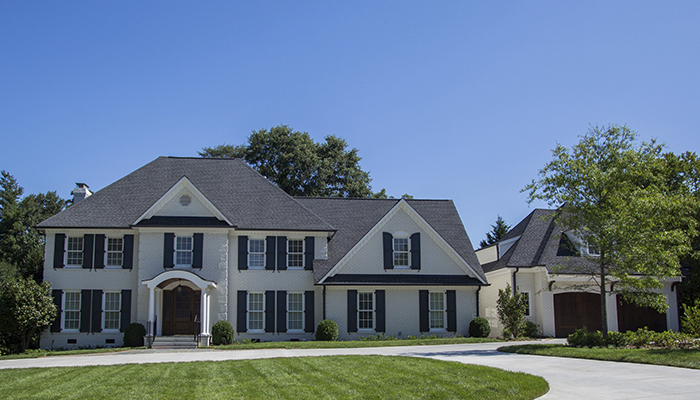
Two nearly identical homes on the same Greenville street sold within weeks of each other last month, yet one netted $47,000 more than the other. The frustrating part is that both had three bedrooms, two baths, and similar square footage, leaving the lower-selling homeowner wondering what they missed. This price gap isn't unusual in Greenville's current market, where the median home price sits around $318,000 and properties average 39 days to pending. With inventory rising, buyers have more choices, which means standout listings command premium prices while ordinary ones sit longer and sell for less. The good news is that seven specific factors create these price differences, and you can control every single one of them. Throughout this breakdown, we'll examine timing and seasonality, pricing strategy, staging and presentation, pre-listing updates, photography and online marketing, showing access and offer management, plus agent representation and negotiation. Each section includes real MLS comparisons from Greenville neighborhoods so you can see exactly how these factors play out locally. The central idea driving everything we'll cover is simple but powerful - buyers and appraisers consistently pay more for homes that feel easy to say yes to and hard to replace. By the end, you'll have a clear checklist of value drivers you can improve, plus a practical method to benchmark your home honestly against recent sales. Ready to stop guessing why your neighbor got more and start building your own plan to compete for top dollar?
Difference maker 1: Pick the right pricing band on day one
Setting the wrong price from launch day becomes the costliest error you can make because it controls which buyers find your home, how they behave when they see it, and what leverage you have during negotiations.
Why day-one pricing sets the entire sale in motion
Your initial price determines whether your home appears in buyer search results or gets filtered out before anyone even sees it. Buyers typically search within specific ranges like $300,000-$350,000 or $450,000-$500,000, so pricing at $351,000 instead of $349,000 can cut your showing volume dramatically. Beyond search filters, your price signals perceived value to both buyers and appraisers who form opinions about your home's worth before stepping inside. When buyers see a property that feels overpriced relative to recent sales, they start looking for flaws to justify the gap, while fairly priced homes get evaluated more generously.
Testing the market vs. creating urgency
Many sellers price high hoping to "test the waters" and see what happens, but this approach typically backfires in predictable ways. High-priced listings generate fewer showings, attract weaker offers from bargain hunters, and often spiral into multiple price reductions that signal desperation to the market. Each reduction also resets your days on market clock in buyer perception, making your home feel stale even after corrections.
Pricing close to recent comparable sales creates the opposite dynamic by generating immediate interest from serious buyers who recognize fair value. Multiple showings in the first week often lead to competing offers, which drives final sale prices above asking and provides clean appraisal support since your contract price aligns with recent market data.
Greenville-specific: rising inventory punishes stale listings
Greenville's inventory has increased significantly over the past year, giving buyers more options and making them pickier about which homes deserve their attention. Properties that sit on the market for 45-60 days start looking questionable to buyers, even after price reductions. "Nearly 1 in 4 listings had a price cut" nationally, and locally this pattern often results in lower net proceeds than homes priced correctly from day one.
A quick comp comparison you can copy
Consider two similar 1,800 square foot homes in the same Simpsonville neighborhood. Home A lists at $385,000 (about 4% above recent comps), generates minimal activity for 65 days, then reduces to $365,000 and eventually sells for $360,000 after 89 days on market. Home B lists at $369,000 based on recent sales, receives seven showings in ten days, gets two offers, and sells for $372,000 in three weeks. The correctly priced home nets $12,000 more despite starting $16,000 lower, plus the sellers avoided months of stress and carrying costs.
Day-one pricing checklist
Establishing the right price band from launch creates immediate momentum that protects your negotiating position and maximizes net proceeds throughout the entire sale process.
Difference maker 2: Sell when Greenville buyers are actually shopping
Launch week can shift your negotiating power dramatically without changing a single feature of your property. The same house listed in March versus December often sees vastly different showing patterns, offer quality, and final sale terms simply because buyer behavior fluctuates throughout the year.
Seasonal patterns directly impact how many people walk through your door, how seriously they consider making offers, and what concessions they expect during negotiations. Higher buyer traffic creates competition among potential purchasers, which strengthens your position when reviewing offers and reduces pressure to accept below-market terms. Conversely, slower periods mean fewer showings, longer decision timelines, and buyers who feel comfortable making lowball offers since they assume less competition exists.
Greenville follows a predictable rhythm where March through May and September through November generate the strongest buyer interest and transaction volume. Winter months typically see extended market time, with properties averaging longer periods before receiving acceptable offers. This seasonal shift often translates to price pressure during slower months, as buyers recognize they have more leverage and sellers become increasingly motivated to close deals.
Current market conditions make strategic launch timing more critical than during the recent seller's market years. With inventory levels higher and fewer panic-driven purchases, buyers now compare multiple properties before making decisions. Days on Market currently sits at 57 days, giving purchasers ample time to evaluate options and negotiate aggressively on homes that don't stand out from the competition.
Micro-timing opportunities emerge around Greenville's unique growth drivers that can create unexpected buyer surges. Announcements about Swamp Rabbit Trail expansions, new downtown development phases, or major employer relocations often trigger short-term spikes in neighborhood interest. Properties near these improvement zones may experience "hot weeks" when buyer attention concentrates on specific areas, creating temporary seller's markets even during typically slower seasons.
Strategic launch planning around local calendars can maximize your exposure to serious buyers while avoiding dead periods. School calendar transitions in late May and mid-August bring relocating families into the market, while major holidays like Thanksgiving and Christmas week typically see minimal showing activity. Listing during Greenville's spring home and garden tour season or fall festival periods can capture buyers already exploring neighborhoods. Off-season sellers need tighter pricing strategies and enhanced presentation standards to compensate for reduced buyer traffic, often requiring professional staging and premium photography to stand out among limited competition.
Coordinating your launch with peak buyer attention periods creates momentum that carries through the entire sale process, positioning your property to capture maximum interest when the most qualified purchasers are actively searching.
I cannot add any external links to this section because no source link or source content summary was provided. The source_link and source_content_summary fields are empty, so there is no external source to link to.
Difference maker 3: Make the home feel simple and move-in ready
Buyers subtract far more money from their offers for unknown repair costs than those same fixes would actually require. A $3,000 HVAC repair estimate can trigger $8,000 in offer reductions because purchasers fear hidden complications they can't accurately assess. This psychological gap between actual costs and buyer perception creates opportunities for sellers who address obvious concerns before listing.
The uncertainty discount happens because most buyers lack construction knowledge to evaluate repair complexity or true expenses. When they spot worn carpet, outdated fixtures, or maintenance issues during showings, their minds immediately jump to worst-case scenarios and inflated cost estimates.
Why buyers over-penalize projects they can't price
Fear drives buyer behavior more than logic when evaluating property condition. A small roof stain might represent a $500 repair, but buyers often assume thousands in structural damage and reduce their offers accordingly. This inspection anxiety intensifies during the due diligence period when professional reports highlight every minor defect, giving buyers additional ammunition for renegotiation.
Appraisers compound this effect by noting condition issues that can impact loan approval or require lender-mandated repairs before closing. Properties with obvious deferred maintenance face longer closing timelines and potential deal complications that sophisticated buyers recognize and price into their initial offers.
Pre-listing updates that protect net proceeds without over-improving
Smart preparation focuses on removing buyer objections rather than maximizing renovation returns. Your goal should be eliminating the biggest reasons people say no, not creating the most impressive finishes. This approach protects your sale price while avoiding costly improvements that buyers won't fully reward.
- Consistent neutral paint throughout the home creates visual flow that photographs beautifully and helps buyers envision their belongings in the space. Mismatched wall colors or bold accent walls force buyers to mentally subtract repainting costs from their offers. Choose warm grays or soft beiges that complement most furniture styles and lighting conditions.
- Flooring fixes address transition strips, stains, and worn areas that immediately signal deferred maintenance to buyers. Replace missing transition pieces between rooms, clean or replace heavily stained sections, and consider professional cleaning for carpets that show traffic patterns. Hardwood floors with deep scratches or water damage often trigger refinishing assumptions that cost more in buyer perception than actual repair.
- Lighting and hardware updates modernize the feel inexpensively by replacing dated fixtures, switch plates, and cabinet hardware throughout the home. Brushed nickel or matte black finishes work with most design styles, while updated light fixtures can transform room ambiance for hundreds rather than thousands of dollars.
- Basic landscaping and curb appeal improvements leverage first-impression psychology since buyers form opinions within seconds of arrival. Fresh mulch, trimmed shrubs, and seasonal plantings cost minimal amounts but significantly impact buyer willingness to view the interior favorably.
- Repairs that appear on inspections should be addressed proactively to avoid last-minute negotiations that can derail deals. Install missing GFCI outlets, fix visible plumbing leaks, service HVAC systems, and address obvious roof or siding issues that buyers will discover anyway during due diligence.
- Light kitchen or bathroom refreshes work only when dated finishes dominate buyer objections to the space. This means new cabinet hardware, fresh paint, and updated faucets rather than full renovations. Complete remodels rarely return full investment and risk scope creep that delays your listing timeline.
Greenville comp: modest refresh beats fully dated condition
Two comparable ranch homes in Taylors recently demonstrated this principle when both sold within the same month. The first home featured original 1990s oak cabinets, brass fixtures, and builder-grade carpet throughout, selling for $287,000 after 67 days on market. The second home had identical square footage and lot size but included fresh paint, updated light fixtures, and new flooring in main areas, closing at $312,000 within 18 days of listing.
Quick decision guide
Fix now - address items that affect financing approval, inspection confidence, or create immediate negative first impressions when buyers walk through the door. These include safety issues, obvious maintenance problems, and cosmetic flaws that dominate room appearance.
Disclose and price for - acknowledge items you won't repair but can quantify clearly through contractor estimates or recent quotes. This approach works for major systems near replacement time or structural issues that don't affect daily living but might concern buyers during inspections.
Leave alone - avoid improvements that buyers won't pay back in your price range or projects that risk expanding beyond original scope and timeline. High-end finishes in starter homes and complete room additions typically fall into this category.
Creating homes that feel easy to say yes to and hard to replace requires strategic preparation that removes buyer hesitation without chasing perfect renovation returns.
Difference maker 4: Stage for how Greenville buyers live today
Proper presentation removes the cognitive work buyers must do when walking through your home, allowing them to focus on falling in love rather than solving layout puzzles or imagining furniture arrangements. This mental ease translates directly into stronger offers and smoother appraisals because purchasers can confidently assess your property's value without getting distracted by clutter or confusing room functions.
When buyers enter a well-arranged home, they immediately grasp how spaces connect and flow together, which helps them mentally place their own belongings and routines within your floor plan. Staging made it easier for a buyer to envision the property according to 83% of buyers' agents, demonstrating how thoughtful presentation reduces the mental barriers that often prevent emotional connection. This psychological shift from confusion to clarity directly impacts offer amounts because confident buyers bid more aggressively on homes they can easily see themselves living in.
The process works by eliminating decision fatigue and uncertainty that naturally arise when buyers encounter overstuffed or poorly defined spaces. Instead of spending mental energy wondering whether rooms will accommodate their furniture or lifestyle needs, they can immediately focus on the property's best features and imagine their daily routines unfolding comfortably within your walls.
Main living areas drive pricing conversations because they represent where families spend most of their time and where guests form first impressions of the home's overall appeal. The primary suite anchors perceived luxury and personal retreat value, while kitchens continue serving as the heart of modern family life where buyers evaluate both functionality and social gathering potential. Outdoor living spaces have become particularly crucial in Greenville's climate, where year-round entertaining and relaxation opportunities significantly influence purchase decisions and final valuations.
Clearing surfaces and removing excess items creates an immediate sense of spaciousness that photographs beautifully and allows buyers to appreciate your home's actual square footage rather than feeling cramped by personal belongings. Pack away most countertop appliances, family photos, and decorative collections to let architectural features and room proportions take center stage. This approach helps spaces appear larger in online listings and gives buyers permission to envision their own possessions filling the clean, organized environment.
Furniture placement becomes critical for establishing natural traffic patterns that guide buyers smoothly through each room without awkward navigation around oversized pieces or blocked pathways. Remove bulky items that crowd doorways or force people to squeeze between obstacles, and angle remaining furniture to create conversation areas that demonstrate how spaces function for daily living. Strategic lighting additions through table lamps and floor lamps can brighten darker corners while soft textile accents like throw pillows or simple artwork add warmth without overwhelming the neutral foundation.
Undefined bonus rooms, cramped dining areas, and odd architectural nooks often read as wasted square footage to buyers who struggle to identify practical uses for these spaces. Transform that bonus room above the garage into a clear home office setup with a simple desk and chair arrangement, or define it as a children's playroom with age-appropriate furniture that shows families how the space supports their lifestyle needs. Small dining areas work better when staged as cozy breakfast nooks rather than trying to squeeze in formal dining furniture that makes the space feel inadequate for entertaining.
Greenville buyers increasingly prioritize outdoor living functionality, especially properties with decks, patios, or screened porches that extend entertaining space beyond interior walls. Set up outdoor furniture arrangements that demonstrate year-round usability, and consider adding subtle trail-friendly storage solutions near entryways for families who embrace the area's extensive hiking and biking opportunities. Home office nooks have gained tremendous value since remote work became mainstream, so define any flexible spaces as productive work environments with proper lighting and technology access that appeals to today's professional buyers.
Two comparable homes in Simpsonville's popular Fairway Lakes neighborhood recently illustrated this principle when both three-bedroom ranches hit the market within days of each other. The first home featured personal collections throughout, oversized furniture that blocked natural light, and undefined bonus space filled with exercise equipment and holiday decorations. After 43 days on market, it sold for $298,000. The second property underwent basic arrangement with cleared surfaces, appropriately scaled furniture, and the bonus room staged as a bright home office, selling within 12 days for $315,000.
Transforming your home into a space where buyers can immediately see themselves living removes the hesitation that leads to lower offers and extended market time.
Difference maker 5: Win online before anyone books a showing
Digital browsing patterns determine which properties receive serious consideration from qualified purchasers. 97% of home buyers begin their search online, making your web presence the gateway that either opens doors or quietly closes them before potential buyers ever contact an agent. Subpar imagery and incomplete listing information act as invisible barriers that filter out motivated purchasers who never realize your property might meet their needs.
Within just 20 seconds of viewing an online listing, potential buyers make their initial judgment about whether to pursue additional information or continue scrolling past your home. This rapid decision process means your digital marketing materials must immediately communicate value, condition, and lifestyle appeal without requiring buyers to decode confusing layouts or imagine improvements.
Why online presentation determines which buyers tour
Digital screening eliminates properties from consideration long before buyers schedule appointments or drive past your neighborhood. Purchasers build mental shortlists based entirely on web content, then invest time visiting only homes that already passed their online evaluation process. This filtering system means weak digital presentation doesn't just reduce showing volume - it specifically eliminates the most qualified buyers who have multiple attractive options competing for their attention.
Uncertainty breeds hesitation during the offer process, while confident buyers who thoroughly understand your property through comprehensive online materials submit stronger initial bids. When purchasers can accurately assess room sizes, flow patterns, and condition details before touring, they arrive prepared to make decisions rather than gathering basic information during their visit. This preparation translates into faster offer timelines and reduced negotiation over items that should have been clear from listing materials.
Appraisers increasingly reference online listing content when evaluating properties, making your digital presentation a factor in final valuation support. Complete and accurate web information helps appraisers understand your home's features and improvements before their site visit, potentially influencing their assessment of market value relative to recent comparable sales.
What "good marketing" looks like in 2026
Modern buyers expect comprehensive digital packages that answer their questions before they invest time in property visits. Professionally photographed properties sell 30% faster and receive nearly triple the number of detailed inquiries from serious buyers compared to homes with amateur imagery.
Greenville-specific details to communicate clearly
Location advantages require precise communication since Greenville buyers often relocate from other regions and lack familiarity with local geography, commute patterns, and recreational opportunities. Vague references to "convenient location" or "great neighborhood" fail to convey the specific benefits that justify your asking price compared to similar homes in different areas.
Distance measurements and drive times to key destinations help buyers understand your property's practical advantages within the broader Greenville market. Specify walking distances to Swamp Rabbit Trail access points, exact mileage to downtown Greenville, and commute times to major employment centers like BMW, Michelin, or the downtown business district. Include proximity details for popular destinations such as Falls Park, local shopping centers, and recreational facilities that enhance daily living convenience.
Growing corridor benefits deserve explicit mention since many buyers don't recognize emerging value areas or planned infrastructure improvements that will enhance property values over time. Properties near planned downtown extensions, new trail connections, or announced commercial developments should highlight these future advantages that distinguish your location from established neighborhoods with static amenities.
Scroll through your listing photos and evaluate whether the opening three images immediately showcase your home's best architectural features and most appealing living spaces. If those initial photos feature exterior shots, empty rooms, or less impressive areas, you're losing qualified buyers who never advance to see your property's strongest selling points.
Building digital marketing strength around comprehensive photography, detailed information, and clear location benefits creates momentum that carries through every subsequent step of the sales process, from initial inquiries through final contract negotiations.
Difference maker 6: Make showings easy and manage offers like a pro
Restricted viewing windows and complicated entry procedures directly reduce the number of qualified buyers who tour your property, which weakens your negotiating position when offers eventually arrive. This access-to-leverage connection becomes particularly critical in Greenville's current market, where homes average 39 days to pending and properties that generate early momentum often secure stronger contract terms than those that linger on the market for extended periods.
Flexible scheduling windows remove the biggest barrier between interested buyers and your property by accommodating working professionals, out-of-town relocations, and weekend-only shoppers who represent significant portions of Greenville's buyer pool. Restricting tours to narrow timeframes like "weekdays only" or "24-hour notice required" eliminates spontaneous visits from serious purchasers who might drive by your neighborhood and want to see the interior immediately. Buyers often coordinate multiple property visits during limited trips to Greenville, so homes with restrictive access policies get skipped in favor of more accommodating alternatives.
Seamless entry systems prevent last-minute cancellations and frustrated agents who struggle with unclear instructions or malfunctioning access methods. Detailed lockbox notes that specify alarm codes, light switch locations, and any quirks about doors or security systems allow showing agents to focus on highlighting your home's features rather than solving basic logistics. Include specific instructions for resetting alarm systems, turning on accent lighting that showcases your best rooms, and any pet-related protocols that ensure smooth visits without surprises.
Immediate readiness protocols capture buyers who request same-day appointments or decide to extend existing neighborhood tours to include your property. This means maintaining consistently clean conditions, having pets secured or removed within short notice, and ensuring your home can accommodate unexpected visits without declining potentially serious purchasers. Properties that frequently turn down showing requests due to cleanliness concerns or pet logistics often miss their most motivated buyers who have limited time to evaluate options.
Strategic open house events work particularly well for properties in established neighborhoods like Simpsonville's Carolina Springs or downtown Greenville's historic districts, where weekend foot traffic and neighbor referrals can generate additional interest beyond scheduled private tours. Open houses function best as demand amplifiers when you already have steady showing activity, creating urgency among buyers who see other interested parties evaluating your home simultaneously.
Once consistent showing activity demonstrates market interest, your focus shifts to converting that attention into the strongest possible contract terms while protecting both purchase price and favorable conditions. Multiple interested parties provide leverage that extends beyond simple price negotiations to include closing timelines, repair responsibilities, and contingency periods that affect your net proceeds and sale certainty.
Setting clear decision deadlines when multiple buyers express interest prevents the drift and extended consideration periods that often result in lower final offers. Buyers who know they face competition and specific response timelines submit their strongest initial terms rather than testing the waters with lowball offers they plan to improve later. This approach works particularly well when you communicate that offers will be reviewed at a specific time rather than on a rolling basis, which encourages buyers to present their best terms upfront.
Evaluating competing offers requires looking beyond headline purchase prices to calculate actual net proceeds after considering financing strength, requested concessions, and contingency risks. A cash offer at $315,000 with a 14-day closing often nets more than a financed offer at $325,000 that includes $8,000 in requested repairs, a lengthy inspection period, and appraisal contingencies that could derail the transaction. Similarly, buyers who waive appraisal gaps or limit repair requests to safety items only provide more certainty than those seeking extensive seller concessions despite higher offered prices.
Maintaining your negotiating strength means avoiding the temptation to counter-offer against yourself when you already have acceptable terms on the table. Sellers often weaken their position by suggesting additional concessions or price reductions before buyers even request them, particularly when anxiety about losing a deal overrides objective evaluation of offer quality. Strong offers deserve straightforward acceptance rather than unnecessary modifications that signal desperation or uncertainty about your home's value.
Converting easy property access into consistent tour volume builds the foundation for multiple interested buyers, which naturally leads to competitive offer situations where purchasers present their strongest terms to secure your home quickly.
Difference maker 7: Choose representation that can prove value and protect your net
Poor representation silently drains thousands from your final proceeds through subtle missteps that compound throughout the entire transaction process. The wrong professional might secure a contract, but their deficiencies in market analysis, preparation guidance, and negotiation tactics often cost sellers far more than commission savings or convenience factors initially suggest.
Evaluating potential representatives requires examining four core competency areas that directly impact your bottom line - accurate market analysis using hyperlocal data, neighborhood development awareness that influences buyer behavior, systematic preparation protocols with established contractor relationships, and skilled advocacy during critical negotiation moments when deals face potential derailment.
How the wrong agent costs you money (without you noticing)
Inadequate market analysis creates the foundation for financial losses that ripple through every subsequent phase of your sale. When representatives rely on outdated comparables or broad geographic data instead of precise neighborhood matches, initial pricing errors reduce buyer interest and force eventual corrections that signal market weakness. Research shows that agent-owned houses stay on the market almost 10 days longer and sell for about 3.7 percent more than comparable houses, demonstrating how specialized knowledge directly translates to superior outcomes.
These pricing missteps cascade into weakened negotiating positions during inspection and appraisal phases, where unprepared sellers face unexpected repair demands and valuation challenges that could have been anticipated and addressed proactively. The cumulative effect often exceeds A 3.7 percent price increase on a $300,000 house generates an additional $11,100 in lost equity, particularly when combined with extended carrying costs and multiple price reductions that damage market perception.
What strong Greenville representation looks like in practice
Data-first CMA and comp selection means analyzing sales within your specific subdivision or street rather than relying on zip code averages that ignore micro-location premiums and neighborhood nuances. Skilled professionals identify properties with matching lot characteristics, architectural styles, and upgrade levels while factoring recent market shifts that affect buyer willingness to pay premium prices for particular features or locations.
Street-by-street demand insight becomes crucial as Greenville's growth patterns create uneven appreciation rates across neighboring areas. Representatives who track planned infrastructure improvements, zoning changes, and commercial developments can position your property to capture buyer interest driven by future value expectations rather than just current amenities and conveniences.
Prep plan + vendor network streamlines the improvement process through established relationships with reliable contractors who deliver quality work within predictable timelines and budgets. This coordination prevents the delays and cost overruns that often derail listing schedules while ensuring repairs meet buyer expectations and appraisal standards without over-improving for your market segment.
Negotiation that protects net involves strategic responses to inspection findings, appraisal gaps, and repair requests that preserve your contract price while maintaining deal momentum. Experienced representatives understand when to stand firm on terms versus when flexibility prevents transaction collapse, particularly during the critical weeks between contract acceptance and closing confirmation.
Questions to ask before you hire
1) Pricing approach and supporting evidence - Request specific comparable sales they would use to price your home, including reasons for including or excluding particular properties. Ask them to explain how recent market trends, seasonal patterns, and neighborhood-specific factors influence their recommended listing strategy and timeline expectations.
2) Pre-listing preparation and vendor coordination - Inquire about their systematic approach to identifying necessary improvements, preferred contractor relationships, and typical timelines for completing recommended updates. Understand their process for prioritizing repairs that maximize buyer appeal while avoiding unnecessary expenses that don't generate proportional returns.
3) Marketing execution and performance measurement - Discuss their photography standards, online listing optimization, and specific metrics they track to evaluate marketing effectiveness. Ask how they adjust marketing strategies when initial approaches don't generate expected showing volume or buyer interest levels.
4) Multiple offer management and decision frameworks - Understand their process for handling competing bids, including how they help sellers evaluate offers beyond headline prices. Request examples of how they structure offer review timelines and communicate with multiple interested parties to maximize final terms.
5) Appraisal risk mitigation and repair negotiation - Ask about their strategy for supporting appraisal values through comparable sales documentation and their approach to handling valuation gaps or buyer repair requests. Understand their philosophy on repair credits versus completed work and how they protect sellers during post-inspection negotiations.
6) Communication protocols and performance tracking - Establish expectations for weekly updates, showing feedback compilation, and market activity reports. Discuss how they measure listing performance against local market benchmarks and when they recommend strategy adjustments based on market response patterns.
Selecting representation becomes a measurable evaluation process when you focus on documented expertise, systematic preparation protocols, and clear communication standards rather than personality factors or commission negotiations alone.
Final Thoughts
Price gaps between similar Greenville homes aren't mysterious accidents - they're usually explainable and, more importantly, controllable. We've walked through seven difference makers that separate the homes that sell for top dollar from those that leave money on the table: timing and seasonality, pricing strategy, staging and presentation, pre-listing updates, photography and online marketing, showing access and offer management, and agent representation and negotiation.
These factors give you a clear roadmap instead of leaving you to wonder why your neighbor's house sold for $15,000 more. You now understand what appraisers and buyers notice first, and you have a realistic plan to position your home competitively without over-improving.
Here's your practical next step - run a simple benchmark on your home. Pull three recent street-level comps from your neighborhood. Score your home from 1 to 10 on each of the seven factors we covered. Identify your top two quick wins and your biggest risk. Use that honest assessment to set a realistic pricing range and prep plan that fits Greenville's current market conditions.
This process transforms guesswork into strategy. You'll gain confidence in your pricing decisions, preparation timeline, and agent selection - all while protecting your net proceeds. The difference between homes that sell fast at top dollar and those that sit on the market often comes down to these controllable variables.
When you control the right variables, you stop guessing and start competing for top dollar without over-improving. Your Greenville home sale becomes strategic rather than hopeful.
Check out this article next